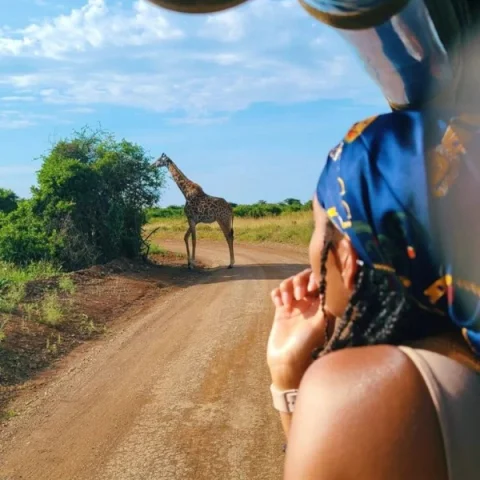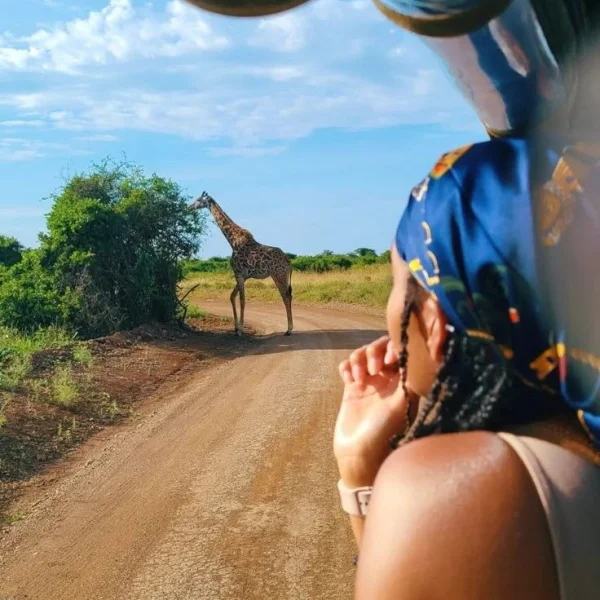
Every year, more women pack a single bag, book a one-way flight to Nairobi, and head into the bush alone and Kenya has quietly become one of the best places on earth to do it. The wildlife is the obvious draw: lions dozing under acacia trees, a million wildebeest thundering across the Mara, elephants moving in unhurried herds toward a watering hole at dusk. But for solo female travelers, the wildlife isn't actually the first question. The first question is: will I feel safe, respected, and free to actually enjoy this?
At MTP, that question shapes everything we plan — not as an afterthought bolted onto a standard itinerary, but as the starting point for how we build every solo trip from the ground up.
This isn't a generic "top tips for solo female travel" listicle. It's an honest look at what solo safari travel in Kenya actually involves, what tends to go wrong when it's planned badly and why women keep choosing to travel with us specifically for this kind of trip.
Why Solo Female Travelers Are Choosing Kenya
Kenya has spent decades building one of the most mature safari tourism industries on the continent. That maturity matters more than people realize when you're travelling alone. It means:
- Established, professional guiding standards (more on this below)
- A wide network of lodges and camps that have hosted solo guests for years, not as a novelty but as a normal part of their business
- Well-developed road, air, and communication infrastructure connecting parks, conservancies, and cities
- A tourism economy that depends on repeat visitors and word-of-mouth, which creates real incentive for operators to get the experience right
Compare that to newer or less-regulated safari destinations, where "solo traveler" can still mean an awkward afterthought in the booking system, and the appeal becomes obvious. Kenya isn't figuring this out as it goes. It's been doing it for a long time, and doing it well.
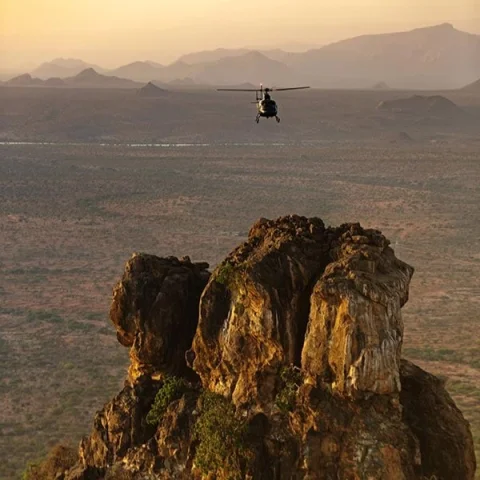
Beyond the practicalities, there's something specific about East African safari landscapes that seems to resonate with solo travelers. The scale of the Mara during migration season, the quiet of a private conservancy at first light, the strange calm of watching a herd of elephants from a safe distance with nothing but the sound of wind — these are experiences that don't actually need company to be meaningful. If anything, many women tell us the solitude is the point.
Solo Doesn't Mean Alone
There's a common misconception that a solo safari means a lonely one. It doesn't have to. A well-planned solo trip can still include shared sundowners on the edge of a river gorge, a guide who remembers your name and your interests by day two, and a camp team that looks out for you the way they would their own family member. We build itineraries specifically designed for one traveler not a version of a couples' trip with an empty seat and not "we'll pair you with whoever else books." Every single-traveler booking gets planned as its own trip.
We're also upfront about single supplements before you book. Solo safari pricing can be one of the more frustrating parts of planning many operators bury the extra cost until the final invoice, or quietly assume you'll be paired with strangers to avoid it. We don't do that. You'll know the real cost of travelling solo before you commit and you'll never be placed in a shared room or vehicle without your explicit choice.
For travelers who want some of the benefits of group travel shared costs, occasional company, the energy of a small group without giving up their independence, we also offer small, intimate group departures capped at a handful of guests. It's a middle ground: your own trip, planned around your interests, with company available when you want it and space when you don't.
Safety That's Actually Built In, Not Bolted On
"Safety" gets used as a marketing word so often that it's started to mean very little. So let's be specific about what it actually looks like on an MTP solo safari.
Certified guides, not just available drivers. We work exclusively with guides certified through the Kenya Professional Safari Guides Association (KPSGA), the country's rigorous, tiered guiding qualification. Guides progress through Bronze, Silver, and Gold levels based on years of experience, examined knowledge, and field assessment. This isn't a formality it's a genuine filter for competence, and it means the person driving you through the bush and briefing you on wildlife behavior has been independently tested on both.
Vetting that goes beyond the guide. Every driver-guide, lodge, and camp on our circuit is assessed for how they treat solo women specifically not just how comfortable the tents are or how good the food is. That includes:
- Secure, well-lit accommodation with staffed grounds overnight
- Clear, private room allocations with no unexplained sharing
- Drivers and guides briefed on professionalism and discretion, not just wildlife facts
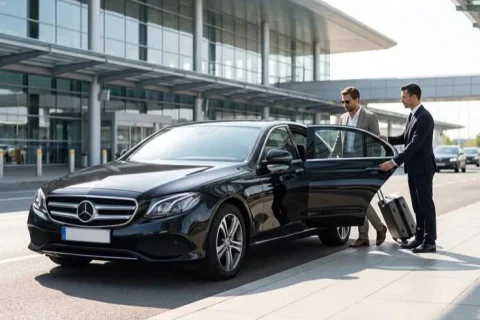
- Transparent, advance communication about who is collecting you, in what vehicle, and when so nothing about arrival day feels uncertain
- A direct, reachable contact at MTP throughout your trip, not just during business hours
Real communication before you arrive. One of the biggest anxieties solo travelers describe isn't actually about the safari itself — it's about the unknowns leading up to it. Who's picking me up at the airport? How will I recognize them? What happens if my flight is delayed? We answer all of this in writing before you land, so the only surprises on your trip are the good kind — like a leopard draped over a branch fifty meters from the vehicle.
24/7 contact, genuinely. You are never actually unreachable on an MTP trip. If something changes, if you're unwell, if you simply want to check in, there is always a real person on the other end.
None of this is a checklist we assembled after the fact. It reflects how the trip is actually run, because we've been doing this long enough to know exactly where solo travel tends to go wrong when operators aren't paying attention.
Guides Who Get It
Representation matters, and it matters in ways that go beyond symbolism. We're proud to work with a number of Kenya's excellent female guides and camp managers and we actively consider guide-matching as part of planning a solo trip not as a special request that needs justifying, but as a normal part of getting the pairing right. There's a particular kind of ease that comes from being welcomed by a woman who has navigated the same questions you have: about travelling solo with confidence, about setting boundaries politely but firmly, about simply wanting to sit with a coffee at dawn and watch elephants without anyone hovering or making assumptions about what you need.
That doesn't mean every solo woman wants a female guide plenty of our guests specifically want the most experienced Gold-level guide available, regardless of gender, and that's exactly what they get. The point isn't a rule. The point is that we ask, we listen, and we match accordingly, rather than defaulting to whoever happens to be free that week.
Itineraries Designed Around You, Not Trimmed From Something Bigger
A frustrating pattern in solo travel more broadly is the "shrink-wrapped" itinerary a shorter, cheaper, slightly worse version of what couples or groups get, because operators assume solo travelers want less. We don't build trips that way.
Depending on your interests, pace, and time available, a solo MTP safari might include:
The Maasai Mara during migration season — for travelers who want the classic, dramatic centerpiece of an East African safari: river crossings, predator action, and some of the highest wildlife density anywhere on the continent. Timed well, this is the trip that puts Kenya on most people's list in the first place.
A quieter conservancy stay in Laikipia — for those who'd rather trade a little wildlife density for far greater privacy, walking safaris, and activities like rhino tracking on foot with an armed ranger. Laikipia conservancies tend to have lower visitor numbers by design, which many solo travelers find more restful than the more visited reserves.
Amboseli, for the Kilimanjaro views — a gentler circuit, excellent for elephant sightings against one of the most photographed backdrops in Africa, and often combined easily with a Mara or Laikipia leg for travelers with more time.
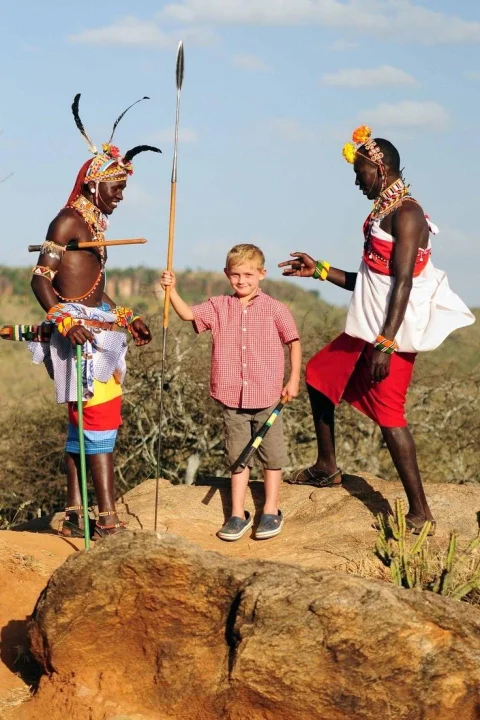
Samburu and the "Special Five" — for travelers who want something further off the well-trodden path, with species found almost nowhere else in Kenya's more southern parks, and a strong cultural dimension through visits with local Samburu communities.
Within any of these, we build in the details that actually shape how a solo trip feels day to day: whether you want a private vehicle rather than a shared one, how much downtime you want at camp between drives, whether an early or late game drive suits your energy better and whether you'd like a walking safari, a hot air balloon sunrise, or a slower, more contemplative pace with fewer activities packed in. None of this is an upgrade you have to argue for. It's simply what "designed around you" means.
What a Typical Solo Itinerary Might Look Like
To make this less abstract, here's a rough shape of a common seven-day solo safari we plan, purely as an illustration every trip is adjusted to the individual traveler:
- Day 1: Arrival in Nairobi, private airport transfer, orientation briefing with your MTP contact, overnight at a comfortable Nairobi property
- Day 2–4: Fly or drive to the Maasai Mara, private vehicle game drives morning and afternoon, sundowners, optional hot air balloon safari
- Day 5–6: Transfer to a Laikipia conservancy for a change of pace — walking safari, rhino tracking, cultural visit with a local community
- Day 7: Return to Nairobi, optional day-room and city tour before an evening flight home
Shorter three- or four-day versions, and longer fourteen-day expeditions combining multiple parks, are equally common. The structure flexes; the underlying planning principles safety, transparency and a trip built for one don't.
Practical Questions Solo Travelers Actually Ask Us
A few things come up often enough in early conversations that they're worth addressing directly.
Is it actually safe to travel Kenya alone as a woman? With the right operator, the honest answer is yes, and the "right operator" part is doing most of the work in that sentence. The parks themselves are remote and wildlife-focused, which means your safety on safari has far more to do with the quality of your guide, vehicle, and accommodation than with the country's general safety statistics. This is exactly why vetting matters more than marketing copy.
What about the single supplement? It exists, and we won't pretend otherwise — running a vehicle and guide for one person costs roughly the same as for two. But you'll see the real number upfront, and we're happy to talk through ways to manage it, including our small-group departures if that's a better fit for your budget.
Will I be lonely? Some travelers want company; others are specifically seeking solitude, and both are completely valid reasons to book a solo trip. We ask about this directly during planning, and we shape the trip — including whether you're placed near other travelers at meals, whether your itinerary includes shared activities, and how much guide interaction you want — around your actual preference rather than a default assumption.
What should I pack, and what should I know before I go? We send every solo guest a detailed pre-trip guide covering everything from clothing and malaria prevention to what to expect on your first game drive, so you're not figuring this out from scattered blog posts the week before you fly. Practical questions like "what do I do if I get a stomach upset in a remote camp" or "is there phone signal in the Mara" get real answers, not vague reassurance.
What if something goes wrong? We plan for this rather than hoping it won't happen. Every solo trip includes clear emergency protocols, a reachable contact throughout, and guides trained to handle everything from a delayed flight to a medical concern without leaving you to sort it out alone in an unfamiliar place.
Best Time to Go, If You're Still Deciding
Timing shapes a solo trip more than people expect, both for wildlife and for the overall feel of the experience.
July to October - covers the peak of the Great Migration in the Mara, including the dramatic river crossings most people picture when they think "African safari." It's also the busiest and most expensive window, so if a quieter, more personal atmosphere matters to you as a solo traveler, it's worth weighing against the spectacle.
January to February - offers excellent general game viewing with drier conditions, shorter grass for visibility, and notably fewer crowds — often a favorite window for solo travelers who want the classic safari experience without the peak-season density of vehicles at every sighting.
March to May - the long rains, is Kenya's green season: lush landscapes, dramatic skies, newborn wildlife, and significantly lower rates. Roads can be trickier and some camps close temporarily, but for solo travelers on a tighter budget or those who prefer solitude over crowds, it's an underrated choice we're happy to talk through in detail.
November to mid-December - the short rains, sits between the two rainy seasons and offers a similar quieter, greener, more affordable experience with generally more reliable road access than the long rains.
There's no universally "best" answer it depends on what you're prioritizing and we'll talk you through the trade-offs honestly rather than just steering you toward the most expensive window.
What It Actually Costs and Where the Money Goes
Solo safari budgets vary enormously depending on accommodation style, length of trip, and time of year, but it's worth being direct about where the money goes rather than leaving it a mystery until the final quote. A meaningful share covers your guide and vehicle — the single biggest factor in how good your trip actually feels day to day, which is exactly why we don't cut corners here. Park and conservancy fees, which fund both infrastructure and, in many cases, conservation and community programmes, make up another significant portion. Accommodation ranges from comfortable tented camps to considerably more luxurious lodges and this is usually where a budget has the most flexibility. Domestic flights between parks save time but cost more than road transfers, and are worth weighing against how much of your trip you want to spend travelling versus at camp.
We build quotes with all of this itemized, not bundled into a single number you have to take on faith, so you can see exactly what you're paying for and where you have room to adjust if needed.
A Packing and Preparation Note Specific to Solo Travelers
Most safari packing lists read the same regardless of who's travelling neutral-colored clothing, layers for cold mornings and warm afternoons, a good pair of binoculars, sun protection, insect repellent. That advice holds for solo travelers too but there are a few things that matter more when you're travelling alone.
A portable charger and an offline map or downloaded route matter more when you don't have a travel companion to share a spare battery with. A copy of your itinerary and emergency contacts left with someone at home, alongside the ones we provide, is simple but reassuring. And packing a little more deliberately for comfort — a book, headphones, a journal — tends to matter more on a solo trip, where evenings at camp are yours to fill exactly as you like, whether that's joining other guests around the fire or having dinner brought to a quiet spot with a view.
We cover all of this in the pre-trip guide every solo guest receives, tailored to your specific route and season rather than a generic checklist.
A Community, Not Just a Client List
Many of the women who travel with MTP tell us the trip changed how they thought about themselves as travelers more capable, more curious, less inclined to wait indefinitely for the "right" travel companion before going somewhere extraordinary. Some come back for a second country. Some send a friend our way with nothing more than a message along the lines of: tell them what I need, they'll sort it out.
That kind of trust doesn't come from a marketing page. It comes from a track record of actually delivering the trip we describe, for solo travelers specifically, again and again.
What Makes MTP Different, in Plain Terms
If you strip away the language, the difference comes down to a few concrete things:
1. We plan solo trips as their own category, not a smaller version of a couples' or group itinerary.
2. We only work with KPSGA-certified guides and we take guide-matching for solo women seriously rather than treating it as an unusual request.
3. We're transparent about costs, including single supplements, before you book not after.
4. We vet accommodation and transport specifically for how they treat solo women, not just for general quality.
5. You have a real, reachable contact throughout your trip, not a booking confirmation and radio silence until you land.
6. Your itinerary is built around your pace and preferences, from private vehicles to activity intensity to how much solitude versus company you want.
None of this is complicated. It's mostly a matter of taking the questions solo travelers actually have seriously, rather than treating them as an inconvenience to a standard package.
Ready When You Are
You don't need a group, a partner, or a perfect moment to see the Mara at sunrise, sit quietly with a herd of elephants in Amboseli, or track rhino on foot across a Laikipia conservancy at dawn. You need a team that takes your safety seriously, treats your solo trip as a real, fully considered trip rather than a smaller one, and knows this country well enough to make the whole experience feel effortless from the first message to the last game drive.
That's what MTP is here for.
Get in touch with MTP to start planning your solo Kenya safari built around you, from the very first conversation.